





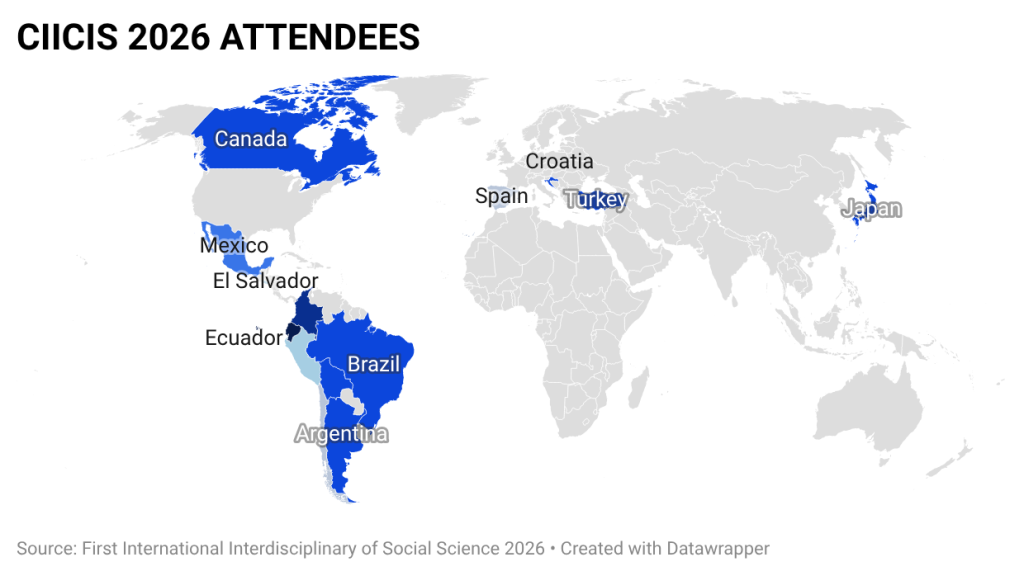
Países participantes
Nos falta muy poco
Countdown is finished!
Lorem Ipsum is simply dummy text of the printing and typesetting industry. Lorem Ipsum has been the industry's standard dummy text ever since the 1500s
We invite the academic community to submit original research articles that analyze contemporary social transformations. This initiative is supported by prestigious publishing houses. Abya-Yala, Tirant lo Blanch, Octaedro y otros, para lo cual se garantizará un alto impacto en la difusión del conocimiento en Ciencias Sociales.
Las actas del congreso serán publicadas por Springer Nature, de acuerdo con sus lineamientos editoriales y estándares internacionales de publicación académica.




Special Issue "Governance transformations in Latin America: comparative perspectives on digital innovation, educommunication, and democratic legitimacy amid global crises"
Revista Indexada en Scopus Q1


Quito, host city of the congress
The 2026 CICIIS Congress is coming to Quito. Get ready for a world-class academic experience in the Ecuadorian capital. This event is designed for professional development, strategic networking, and the exchange of innovative technological solutions in the social sciences.

Call
This congress is conceived as a high-level scientific academic space, oriented towards debating the main contemporary challenges surrounding democracy, communication, technology, governance, culture and social transformation from an interdisciplinary and international perspective.
Registrations
Secure your participation in the CICIIS 2026 Congress by completing your registration. Through this section, you can register as an attendee, speaker, or participant in the various academic activities. Be part of a space for knowledge exchange, professional networking, and staying up-to-date on the main topics in contemporary research.

Master lectures

Presentations

Workshops

Academic Posters

Networking Spaces

Multimedia showcases
Thematic areas of the Congress
Track 1
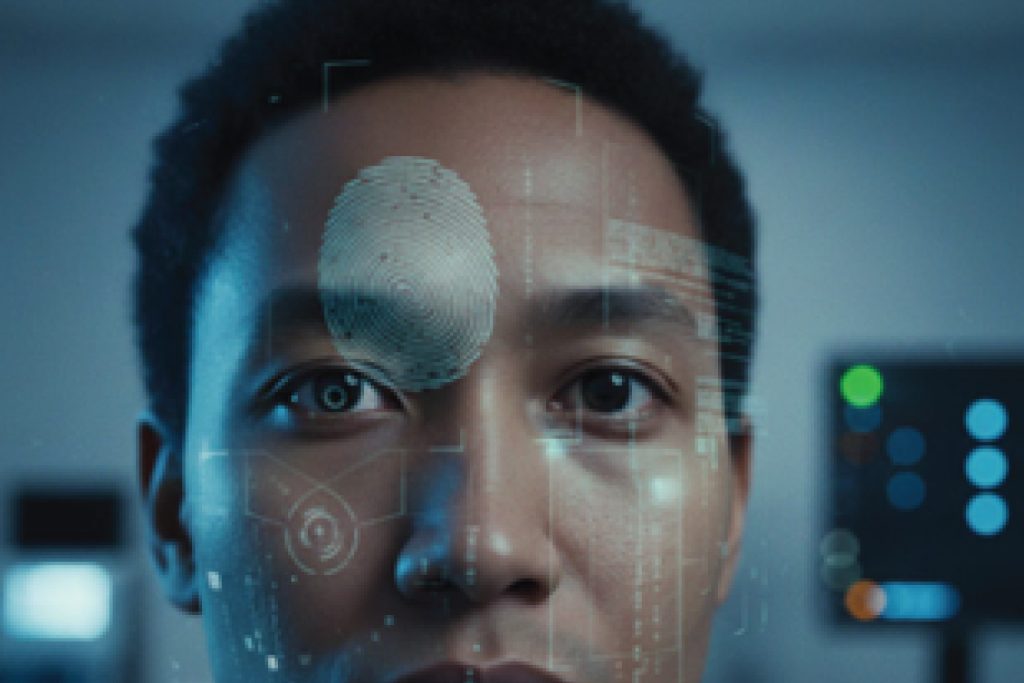
Technosociety and identities in transformation
The Construction of Identities in Techno-Societies: Analysis of how digitization and technological infrastructures shape and condition contemporary identity.
Impact of AI and algorithms: Study of the influence of artificial intelligence on the redefinition of the concepts of subject, community, citizenship and agency.
Inequality and digital surveillance: An examination of how technological tools amplify social gaps and control mechanisms in everyday life.
Ethical and political dimensions: Interdisciplinary space to discuss the social implications and power dynamics in the digital environment.
Track chair: Diana Rivera, Ph.D.
Specific Thematic Lines
- Digital subjectivities and identity representation in social networks
- Artificial intelligence and the reproduction of social biases
- Algorithms, surveillance, and new forms of social control
- Marginalized identities and discriminatory technologies
- Youth, digital cultures and technopolitical self-affirmation
- Digital colonialism, technological infrastructures and critical epistemologies
- Bodies, data and bioidentity in times of digitization
- Emerging technologies, work and the precarization of labor identities
Track 2
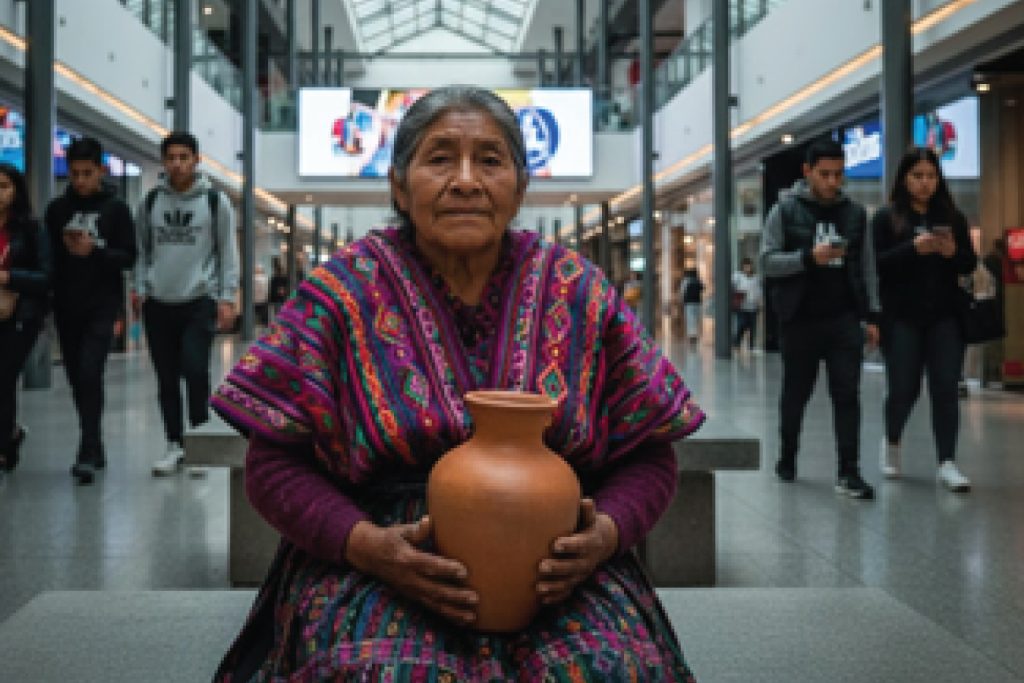
Cultural studies
Impact of globalization on culture: Reflection on the cultural and social transformations resulting from global processes and homogenization.
Identities in the face of technological advancement: Comprehensive analysis of the contradictions between the preservation of sociocultural traits and the loss of identity in the face of technology.
New forms of coexistence and movements: Study of how global exchanges generate emerging identities and new dynamics in social movements.
Countercultural processes: Visibility of movements that challenge global norms to redefine social relations and the sense of community.
Track chair: Ana Castro, Ph.D. (c)
Specific Thematic Lines
- Identity, culture and social processes: symbolic representations, social construction, discursive practices, subjectivation, and social interaction.
- Interculturality, cultural changes and social coexistence: subjects of action, social interaction and identity.
- Digital culture: participation, rights, ethics and security.
- Contemporary society and globalization: transformation of sociocultural practices.
- Social movements, citizenship and digital participation.
- Global and local dynamics surrounding social inequality and exclusion: culture, political socialization and cultural change.
- Power structures, history and culture: gender violence in contemporary contexts, violence and social control.
- Cultural homogenization and ethnophagy: acculturation, cultural exchange, counterculture, deculturation.
- Health and globalization: ethnomedicine, emerging health movements, integrative medicine, and global health.

Track 3
Politics and governance
Transformation of governance and the State: Analysis of how digitalization, the climate crisis and migrations are reshaping the relationship between the State, society and the private sector.
Ethical challenges and data management: Critical debate on open government, transparency, and the ethical challenges that arise in contemporary public administration.
Sustainability and global crises: Evaluation of the institutional response and policy design in the face of current power structures and the environmental emergency.
Emerging citizen participation: Research into new models of dialogue and participatory democracy for the design and evaluation of effective public policies.
Track chair: Isabel Ramos, Ph.D.
Specific Thematic Lines
- Citizen participation, democracy and transparency
- Forced migration, displacement and structural violence
- Ecology and socio-environmental justice
- Artificial Intelligence and Global Challenges
- Organized crime, drug trafficking and citizen security
- Open government
- Governance in the face of climate crises and socio-environmental disasters
- Migration, human rights and social inclusion policies
- Systemic corruption and challenges to democratic legitimacy
- Inequality, poverty and public redistribution policies
- Security, structural violence and rights in Latin America
- Public communication, disinformation, and the political management of knowledge.

Track 4
Social Communication in the Age of Artificial Intelligence
Impact of AI on social communication: Analysis of how the use of algorithms and the automatic generation of content are reshaping the relationship with audiences.
Ethical challenges and misinformation: Debate on the risks of deepfakes and automation versus truthfulness and journalistic rigor.
The role of the communicator in relation to technology: Reflection on the role of the communication professional in an environment of increasing automation and surveillance.
Frameworks for human communication: Promoting interdisciplinary dialogues to ensure privacy, democracy, and ethical sustainability in the digital future.
Track chair: Roberto Sánchez, Ph.D.
Specific Thematic Lines
- Youth cultures and digital consumption
- Ethics and challenges in digital communication
- Disinformation, manipulation, and responsibility in the age of AI
- Training of social communicators in the digital age
- Digital citizenship and media literacy in the face of AI
- Communication policies and legal frameworks for the use of AI
- Strategic communication for digital environments
- Social networks and citizen political participation
- Transmedia narratives and digital storytelling
- Communicating hope online
- Pastoral communication in times of AI
- Communication and education
- Community communication and social change
Track 5
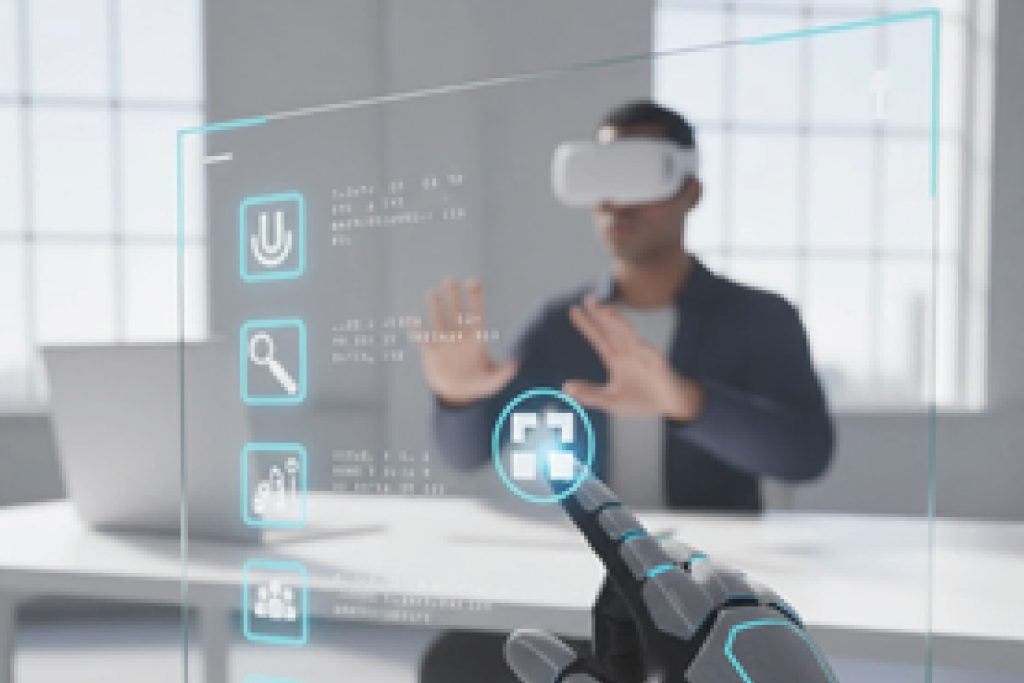
Multimedia design, innovation, interaction, and accessibility
Multimedia design as a strategic articulator: Analysis of design in communicative, educational and cultural processes, integrating art, science and technology for social change.
Immersive experiences and new subjectivities: Study of how interfaces, extended realities, and interactive environments shape new forms of cultural consumption.
User-centered accessibility and inclusion: Focus on strategies that guarantee sensory, cognitive and social accessibility for the creation of inclusive digital environments.
Innovation and technological aesthetics: Exploration of contributions in gamification, algorithmic aesthetics and generative artificial intelligence as transformative practices for social problems.
Track chair: Esteban Plaza, Ph.D. (c)
Specific Thematic Lines
- User-centered design and accessibility.
- Experimental production of new media.
- Gamification and educational/social dynamics.
- Development of experiences in immersive environments (AR, VR, RM and XR)
- Art, science and technology for social transformation.
- Visual culture and consumer culture.
- Algorithmic aesthetics, generative narrative, and computational creativity (AI).
- Tangible and intangible accessibility (urbanity and virtuality).
- Human-computer interaction and digital subjectivities.
- Design and heritage.
Registration process
UPS students
Cost USD: $40
Includes in-person attendance, refreshments (no lunch) and certification.
Students from other universities
Cost USD: $50
Includes in-person attendance, refreshments (no lunch) and certification.
UPS Teachers
Cost USD: $100
Includes in-person attendance, refreshments (no lunch) and certification.
Teachers from other Universities and Institutes
Cost USD: $120
Includes in-person attendance, refreshments (no lunch) and certification.
Professionals in social sciences and other areas
Cost USD: $80
Includes in-person attendance, refreshments (no lunch) and certification.
Academic article with publication (Scopus or other indexed imprint)
Cost USD: $450
One-time payment per article (one author), includes publication, support and certification for all authors.
General considerations
- Those registered under the student category must send, to the official CICIIS email address, a document that proves their academic status along with proof of payment.
- When a presentation has more than one author attending in person, from the second author onwards, each additional participant must register in the in-person participation modality in order to access materials, academic activities and certification of attendance.




Research Groups
GICODEPO
Research Group Communication, Development and Policy
GICEA
Research Group on Communication, Education and Environment
GIDITECI
Research Group in Interactive Design and Technology
UTPL
Communication, Education and Technology
UTPL
Communication and Audiovisual Culture