
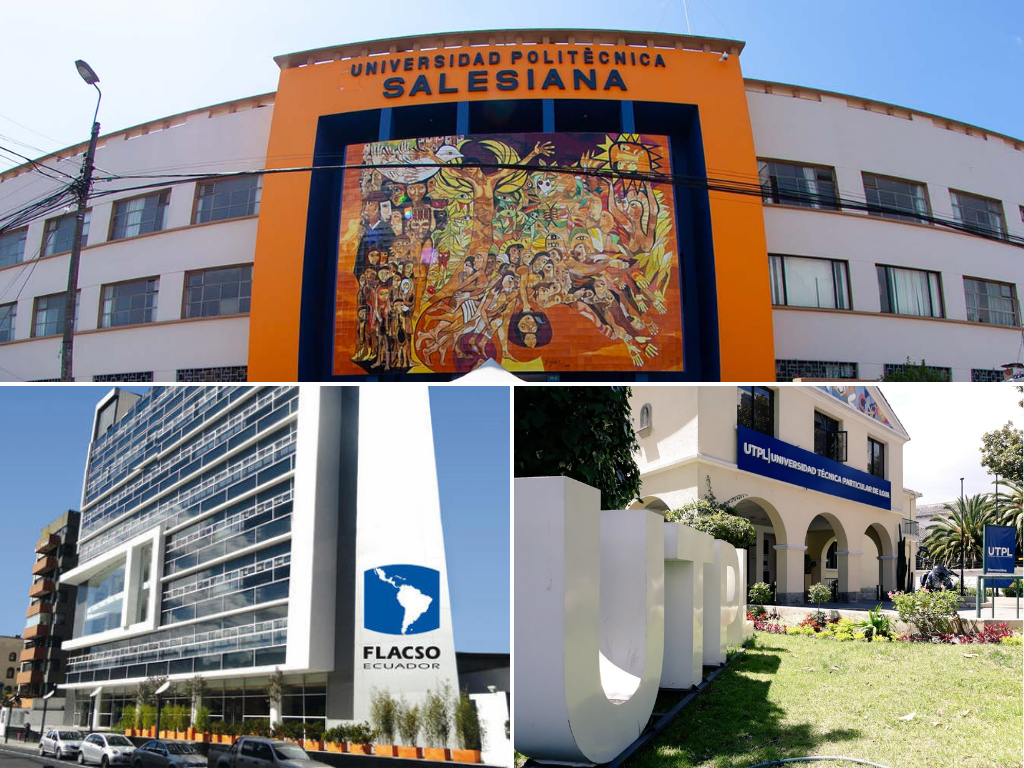
Presentation
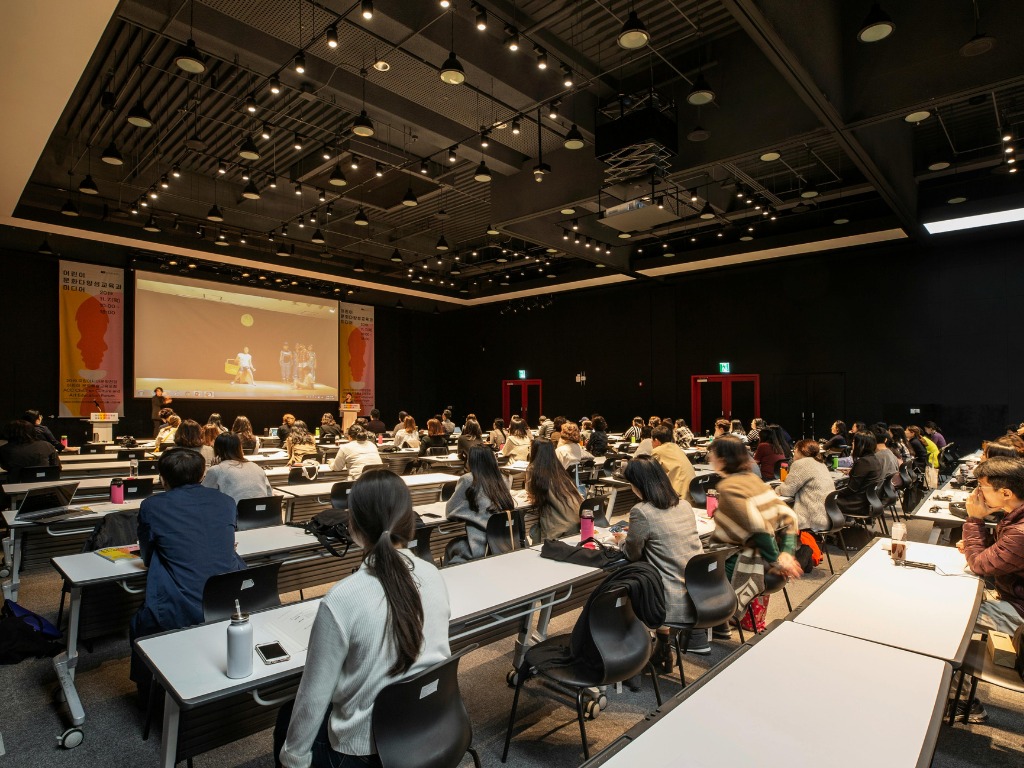
CICIIS 2026 is the first edition of the International Interdisciplinary Congress of Social Sciences.
The congress was created as a new international academic initiative aimed at strengthening interdisciplinary dialogue between social sciences, communication, technology, governance, culture and digital innovation.
Call
Convocatoria abierta hasta el 12 de septiembre.
Open call until May 30.

About UPS
Historical Overview
La Universidad Politécnica Salesiana (UPS) es una institución de educación superior de inspiración cristiana y salesiana, comprometida con la formación integral de profesionales y con la transformación social a través de la educación, la investigación, la innovación y la vinculación con la sociedad.
Historia
La presencia de la comunidad salesiana en Ecuador se remonta a 1888, año en que los Salesianos de Don Bosco llegaron al país con una misión centrada en la educación, la formación de jóvenes y el servicio a la sociedad. Esta trayectoria educativa constituye uno de los principales antecedentes de la Universidad Politécnica Salesiana.
El 5 de agosto de 1994, mediante la Ley N.º 63, publicada en el Registro Oficial N.º 499, se creó oficialmente la Universidad Politécnica Salesiana. En octubre del mismo año iniciaron sus actividades académicas, con Cuenca como sede matriz y presencia universitaria en Quito.
Desde sus inicios, la UPS asumió el compromiso de ofrecer una educación de calidad, orientada a la formación científica, técnica, humanística y ética de sus estudiantes. Su propuesta educativa está inspirada en el Sistema Preventivo de Don Bosco y busca contribuir al desarrollo de una sociedad más justa, solidaria y equitativa.
A lo largo de sus más de tres décadas de trayectoria, la Universidad ha experimentado un importante crecimiento académico e institucional, ampliando su oferta educativa, fortaleciendo sus procesos de investigación y consolidando proyectos de vinculación con la sociedad.
Actualmente, la Universidad Politécnica Salesiana cuenta con presencia en las ciudades de Cuenca, Quito y Guayaquil, además de desarrollar su propuesta académica mediante diferentes modalidades de estudio.
Sedes universitarias
Sede Cuenca – Matriz
La sede Cuenca constituye la sede matriz de la Universidad Politécnica Salesiana. Desde la creación de la institución ha desempeñado un papel fundamental en su desarrollo académico e institucional, fortaleciendo áreas de formación, investigación, innovación y vinculación con la sociedad.
Sede Quito
La sede Quito forma parte del proyecto universitario salesiano desde los inicios de la UPS. Su crecimiento ha permitido consolidar una amplia propuesta académica y fortalecer la investigación, la vinculación y la presencia de la Universidad en la capital del Ecuador.
Sede Guayaquil
La sede Guayaquil fue creada en 1998, ampliando la presencia de la Universidad Politécnica Salesiana hacia la región Costa. Desde entonces, ha desarrollado una propuesta académica orientada a las necesidades de la sociedad y al fortalecimiento de la formación profesional.
En 2026, la Universidad Politécnica Salesiana cumple 32 años de trayectoria universitaria, respaldados por una tradición educativa salesiana que supera los 130 años de presencia en Ecuador.
Durante este tiempo, la UPS se ha consolidado como una institución comprometida con la educación superior, la investigación, la innovación, la responsabilidad social y la formación integral de sus estudiantes.
Su identidad institucional se fundamenta en valores como la solidaridad, la responsabilidad, la inclusión, la excelencia académica y el compromiso con la transformación de la sociedad.
University Education
The Salesian presence in the university field is relatively new, except for the educational experiences in India in 1934 and the Pontifical Salesian University in Turin, which has been training Salesians in higher education since 1940, initially as the Pontifical Salesian Athenaeum and since 1973 as a University based in Rome.
Currently there are 35 Salesian Provinces with responsibility for Higher Education, which implies a high and sustained growth of the Salesian university offering in the world.
The new demands of Youth Ministry led the Salesian Society to open itself to the upper stratum of youth, determined by a principle of educational continuity that requires an extension of educational accompaniment beyond the period of adolescence and with a desire to offer an opportunity of access to the University to many young people in inferior economic and social conditions and as a privileged place for vocational guidance in the broad and specific sense.
Born UPS
The Salesian Polytechnic University (UPS) was created by Law No. 63, issued by the National Congress and published in the Official Gazette Supplement No. 499 on August 5, 1994. UPS is a private, non-profit institution, co-financed with state funds, with its own legal personality and responsible autonomy in academic, administrative, financial, and organizational matters. UPS was founded during a very critical period from a social and economic perspective. Once the project to create the University was approved, the Salesian Society of Ecuador began operations at the new Center for Higher Education in October 1994. Prior to this, on September 6, 1994, the first University Council was established, and the Rector and Vice-Rector took office. Its main campus is located in the city of Cuenca, with branch campuses in the cities of Quito and Guayaquil.
The Salesian Polytechnic University (UPS), as a center of higher education, is aware of the major educational problems facing the country, such as:
- The need to train a well-rounded professional who is scientific, practical, humane, moral, and ethical.
- The need for the university to connect with society.
- The need for science and technology to be part of an integrated world of education.
- The need for research to be linked to solving major social problems.
Goals
The objectives of the Salesian Polytechnic University are:
a) Generate spaces for preferential attention to young people and adults from popular sectors, groups with disabilities, indigenous peoples and Afro-Ecuadorians.
b) Generate spaces for preferential attention to young people and adults from popular sectors, groups with disabilities, indigenous peoples and Afro-Ecuadorians.
c) Implement processes that ensure co-governance and gender parity in the university management system.
d) To promote a Pastoral Educational Proposal as a suitable space for dialogue between Reason, Faith and Culture.
e) Promote student-centered learning models, guided by the principles of Salesian education.
f) To offer third and fourth level academic programs, approved by the Council of Higher Education, for continuing education, community engagement and research processes, cultural dissemination and respect for the environment, with high quality standards to respond to the needs and problems of Ecuadorian society.
g) Guarantee freedom of conscience, freedom of teaching, academic freedom and thought, equal opportunities and non-discrimination.
h) Design academic curricula that do not involve the incorporation of subjects intended for mandatory religious indoctrination.
IUS Context
For the past 20 years, Salesian universities have been emerging rapidly across different continents, each with its own distinct characteristics. It was then that Don Bosco's eighth successor, Don Juan Edmundo Vecchi Monti (1995-2002), emphasized the need for the General Directorate of the Salesian Congregation to accompany and guide these newly developing university institutions. Following this development and after several meetings worldwide, on January 7, 2003, the Rector Major of the Salesians, Don Pascual Chávez Villanueva, and his Council, in plenary session, unanimously approved the documents "Identity of Salesian Institutions of Higher Education" and "Policies for the Salesian Presence in Higher Education." These documents now serve as the Congregation's roadmap for these institutions and are integral to the projects of the Salesian Provinces in the various countries where the Salesians are present. Thus, looking to the future, the IUS find in these two documents instruments of direction and governance regarding the definition of the Salesian character of these works, the description of the fundamental lines, the identification of the new goals and objectives that must be achieved; in such a way that the Salesian Congregation will certainly build firmly within the university sphere an educational tradition that has already begun.